Table Of Content
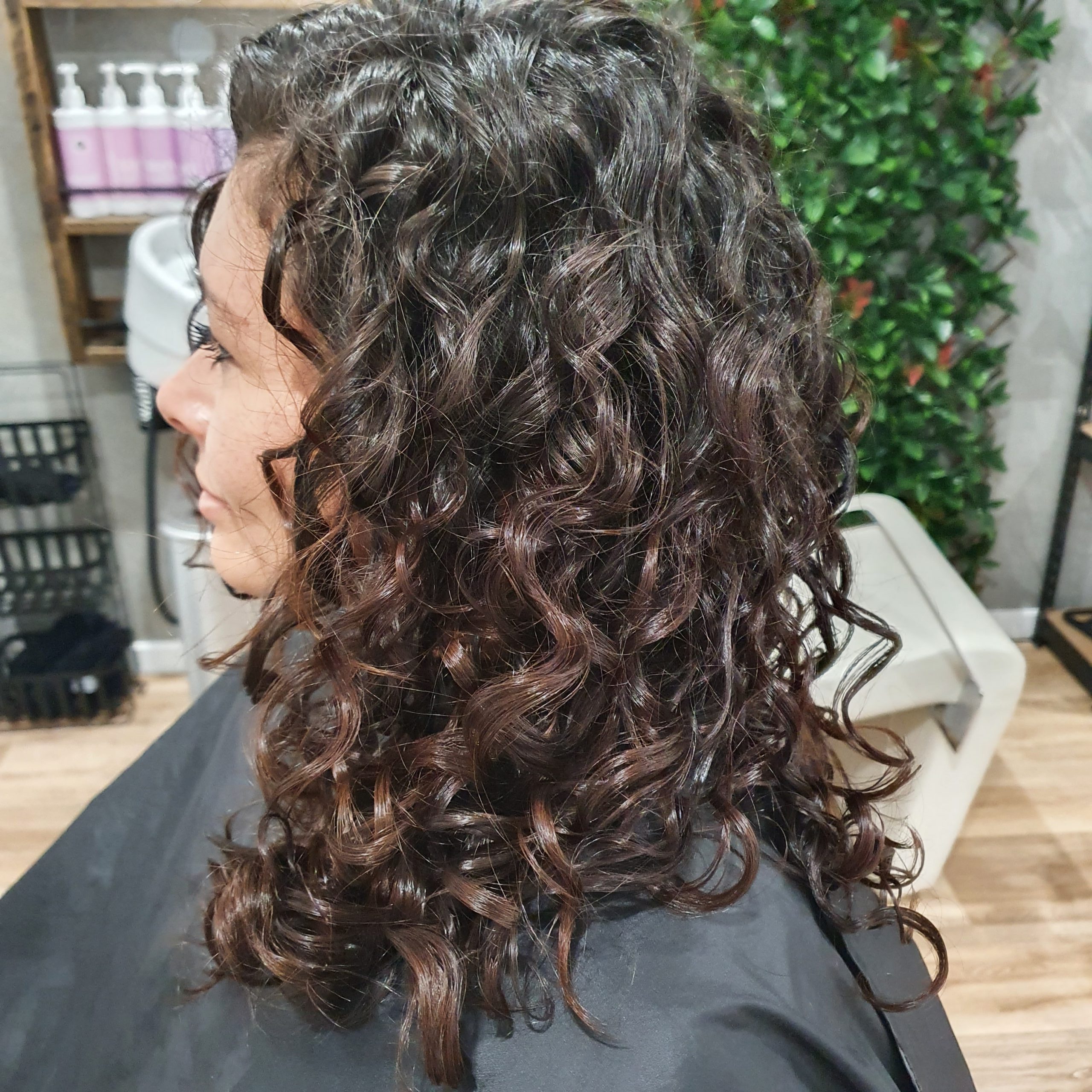
It is less able to take in water and hair treatments, so products may accumulate on the surface. If you have low porosity hair, lightweight products will be your best friend for washing and styling. When choosing products for low porosity hair, reach for formulas with humectants such as glycerin that will help draw in moisture.
Medium porosity hair:

It’s important to take good care of your hair and avoid damaging practices to maintain its natural porosity. "Low porosity hair is characterized by tightly sealed cuticles that restrict the hair from acquiring moisture from external sources," explains Bradford. Low porosity hair may also not take color or bleach well, as it's more difficult for the chemicals to penetrate.
WHAT IS HAIR POROSITY?
On the other hand, high porosity hair, characterized by open cuticles with gaps, benefits immensely from more affluent products infused with proteins and heavier oils. These products fill the cuticle gaps, ensuring prolonged moisture retention. Additionally, while clarifying shampoos are a boon for low porosity hair to combat product buildup, moisturizing shampoos are a must-have for high porosity hair to replenish its rapid moisture loss.
Low Porosity Hair Care
"With high porosity [hair], you can take in water, but you can't retain the water," explains Chambers-Harris. "For porous hair strands, some of the best types of products are always going to be products that are formulated and marketed to add moisture and have a lot of emollient ingredients," says Williams. Porosity is a measurement of your hair’s ability to absorb and hold moisture. Porosity is determined by the structure of your cuticle- the outer layer of your hair. Porosity is determined by genetics, but can be altered by external factors like heat and chemical processing. Understanding the unique care needs of low porosity and high porosity hair is crucial for maintaining its health and vitality.
Chemical Treatment Reaction
With low porosity hair, the cuticles are tightly packed and very close together. Lighter or diluted conditioners won’t sit on your head and will absorb into your hair strands. Milk leave-in conditioners and spray leave-in conditioners, such as PATTERN’s Hydrating Mist, are light and great for low porosity hair. Pay attention to how your hair reacts to moisture and think about which characteristics of low and high porosity your hair most aligns with. You can also learn more about your hair's porosity and what products to use by taking our curly hair type quiz. Low porosity hair is typically a result of your genetic makeup and cannot be caused by any chemical or heat damage.
Once you identify your hair porosity, you can determine which hair products you need to care for your locks. The higher the porosity grade, the more protein-rich hair products you should incorporate in your routine. This helps to strengthen the cuticle structure and allows it to keep moisture inside the hair shaft. A product like our Bond Curl Rehab Salve can help to add protein to the hair and strengthen hair bonds. People can test the porosity of their hair at home by seeing how quickly a clean strand sinks in water.
By meticulously choosing shampoos, conditioners, treatments, and styling products tailored to your hair’s porosity, you maintain its health and enhance its natural luster, resilience, and vitality. Blow drying, bleaching, straightening, overwashing, and using harsh products can all damage your hair over time. This can cause your hair cuticles to become raised and open, which may make it harder for your hair to retain moisture. Protein treatments are essential for high porosity hair to fill the gaps on the hair cuticle, you can choose to do monthly protein treatments and/or use moisturizers with proteins. Low porosity hair doesn’t need as much protein, use protein treatments as often as your hair needs or use 2-in-1 deep conditioners that are both moisture and protein based. When it comes to deep conditioning, use heat on low porosity hair for better absorption of nutrients since heat will open the hair cuticles allowing for nutrients to be absorbed.
Who should use purple shampoo?
For starters, think carefully about the shampoo you use for your hair. Most shampoos are too clarifying and will leave your hair dry and stripped. You can also go for a gentle apple cider vinegar rinse, if that is your thing.
Hair Porosity Guide High Low Meaning - Refinery29
Hair Porosity Guide High Low Meaning.
Posted: Sat, 14 May 2016 07:00:00 GMT [source]
I would literally wet my hair every single morning, apply hair oil and my hair would feel dry a few hours later. I never used to deep condition too, may be that’s one of the reasons why my hair would feel dry. Highly porous hair, on the other hand, has different care requirements.
"When it comes to low-porosity hair, you don't want to apply an excessive amount of products because it won't all absorb into the strands, and it may even leave behind residues," says Petrillo. That's why he recommends shampoos with anti-residue formulas (often labeled as "clarifying shampoos") and conditioners specifically marked as "lightweight." This is because the shaft of the hair winds around, leading to more breaks in the cuticle. Environmental factors leading to more highly absorbent hair include damage from chemical processing, exposure to UV rays, and heat damage from styling tools such as dryers and straighteners. The structure of your hair cuticle – whether tightly bound (low porosity) or more open (high porosity) – dictates its moisture needs and how it responds to various hair care routines. Recognizing the unique care requirements of each hair type is essential for maintaining hair health, shine, and elasticity.
This Simple Test Can Determine How Dry Your Hair Is - Real Simple
This Simple Test Can Determine How Dry Your Hair Is.
Posted: Thu, 20 Oct 2022 07:00:00 GMT [source]
Neither high nor low porosity hair is inherently better than the other. Each has advantages and disadvantages and can be managed with proper care and the right products. This hair type is known for porous cuticles to allow moisture in but tight enough to keep the hydration secured. If you have high porosity hair, pre-pooing and finger detangling are your best friends. High porosity hair strands have an open hair shaft and tangle quickly. To prevent your hair knotting up and breaking when it comes in contact with water, make sure that your hair is fully detangled before you step into the shower.
So instead, use it once every few shampoos (four to six washes) to maintain color and upkeep your hair between salon visits, she says. With time, I learned the art of moisturizing, loc/lco moisturizing methods and I went from moisturizing daily to a few days a week to weekly and sometimes twice a week. Hair care as a newbie is all trial and error as you figure out what works best for your gorgeous mane. If you’re a hair care beginner, I do have guides and ebooks to help with hair care, grab your copy here or just click buy now below. Feel like your hair has been the same length forever, I’ve an Ebook that will help you grow your hair healthier, longer and thicker.
Grab your copy here… Also, check out all the Ebooks,guides and journals that will go a long way in your hair care journey here. There is a big difference between high porosity hair and low porosity hair, and you need to know all the particularities if you want to grow your hair faster and keep it healthy, with a marvelous glow. A lot of factors impact the way your hair looks and behaves, from the rate that your scalp produces oil to your hair's curl pattern (or lack thereof). A trichologist shares how to tailor your hair-care routine if you suspect you have high-porosity hair.
While a closed cuticle creates a flat surface that reflects light, a damaged strand of hair can look closer to a frayed rope up close, she says. Protective styling is a great way to not have to constantly manipulate your hair and thus allowing your hair to grow. Since high porosity hair is prone to breakage, using protective styling can prevent this for you. Protective styling involves braiding your hair, wearing wigs or adding hair extensions to your hair. Anything that reduces constant manipulation of your hair is basically protective styling.
High porosity hair, however, can drink up products, making it crucial to ensure products don’t over-saturate and weigh the hair down. A simple water test where you see if a single strand of hair floats, suspends, or sinks can help determine your hair porosity. If you have high or low hair porosity due to genetics, you may not be able to change it. However, according to hair care experts, there are things you can do to make your hair healthier, more manageable, and easier to style.
Instead, go lukewarm or rinse with cold water after deep conditioning to help your strands retain moisture for a soft, shiny finish. Let’s tap into the potential of your curls and coils by learning the differences between low vs high porosity hair. Low porosity is when your hair is water-resistant, making it harder for moisture to be absorbed into your strands. High porosity hair easily absorbs moisture, but it’s harder for the hair to retain or hold onto that moisture. High porosity hair is hair that attracts and loses moisture easily.


No comments:
Post a Comment